
Sage
Here are some safe options

For centuries, sage has been used for just about everything. The writings of the ancient Greeks mention sage as a meat preservative. The Romans used it for everything from epilepsy to snake bites. They even used sage leaves as bandages. In the 10th Century, St. Hildegard of Bingen (modern day Germany) wrote that sage cured arthritis, bad breath, pain, indigestion and incontinence; while at the same time, Middle Eastern physicians claimed that sage made one practically immortal. On and on, sage is mentioned through the times as a cure-all. It shows up in French medicinal journals, Icelandic and Dutch folklore and even in The Canterbury Tales.
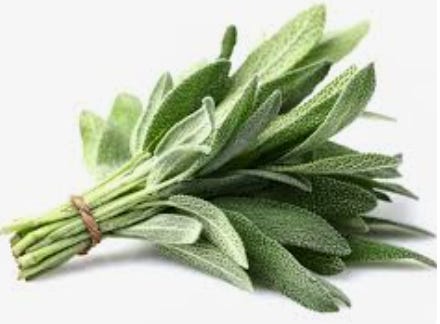
Today sage is considered a very good herb to use for certain issues, but certainly not to the extent that it was used throughout history. Gargling sage tea is great for sore throats and bleeding gums. Sage is known to help excessive perspiration. And it turns out that it is still considered effective to ease indigestion. Externally, sage can help minor wounds heal and keep them from getting infected.
Even with all the great properties of this herb, sage is not something that should be ingested for long periods of time. In large amounts, sage can be toxic. Sage oil can also be particularly dangerous. Pregnant and nursing women should avoid sage. Because sage can interact with many medications, it’s always important to check with your healthcare provider before you add sage as a supplement to your health regimen.
Here are some safe sage supplements to try:
